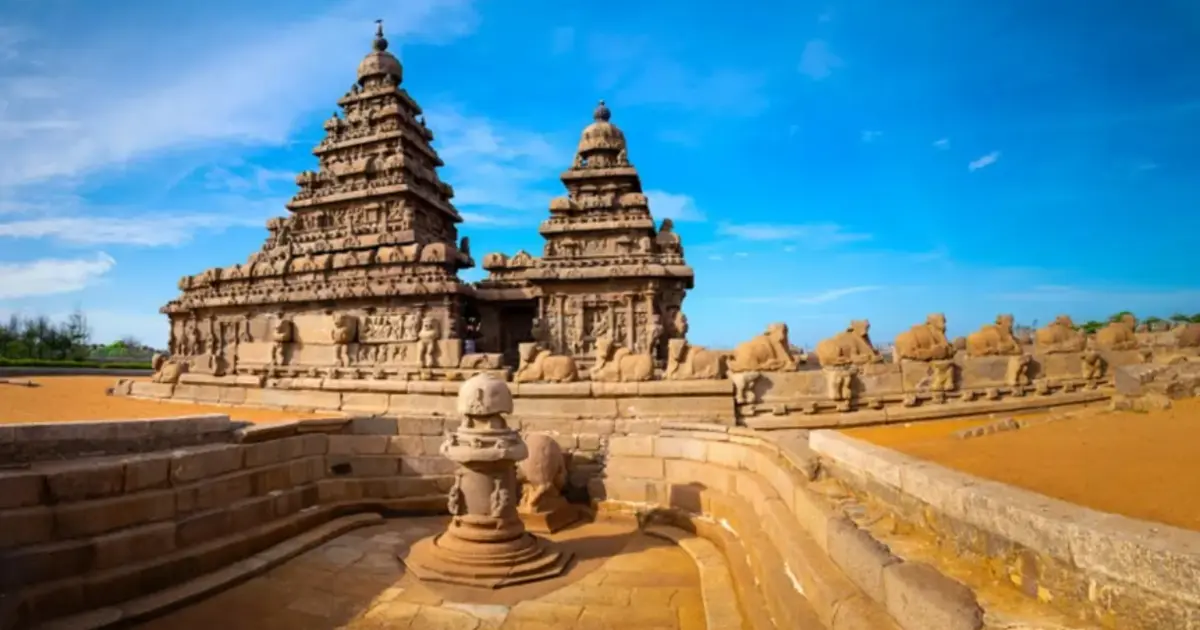
When is the best time to visit India?
The best time to visit most of India is October to March, with warm, sunny, and dry weather. North India (e.g. Delhi and Agra) has clear skies, though December–January can be cold and foggy, while the Himalayas are very cold but scenic. South India (e.g. Kerala and Tamil Nadu) is best from November onward, after the monsoon, with pleasant travel conditions.
Month-by-month guide for travelling in India
Visiting India in January
With comfortable temperatures and clear skies, January is considered one of the best months to explore India. Despite being the peak winter season, daytime weather remains pleasantly mild, rarely dropping below 14°C. Across North India.
The festive spirit comes alive with Lohri celebrations, featuring glowing bonfires, lively folk performances, and energetic traditional dances.
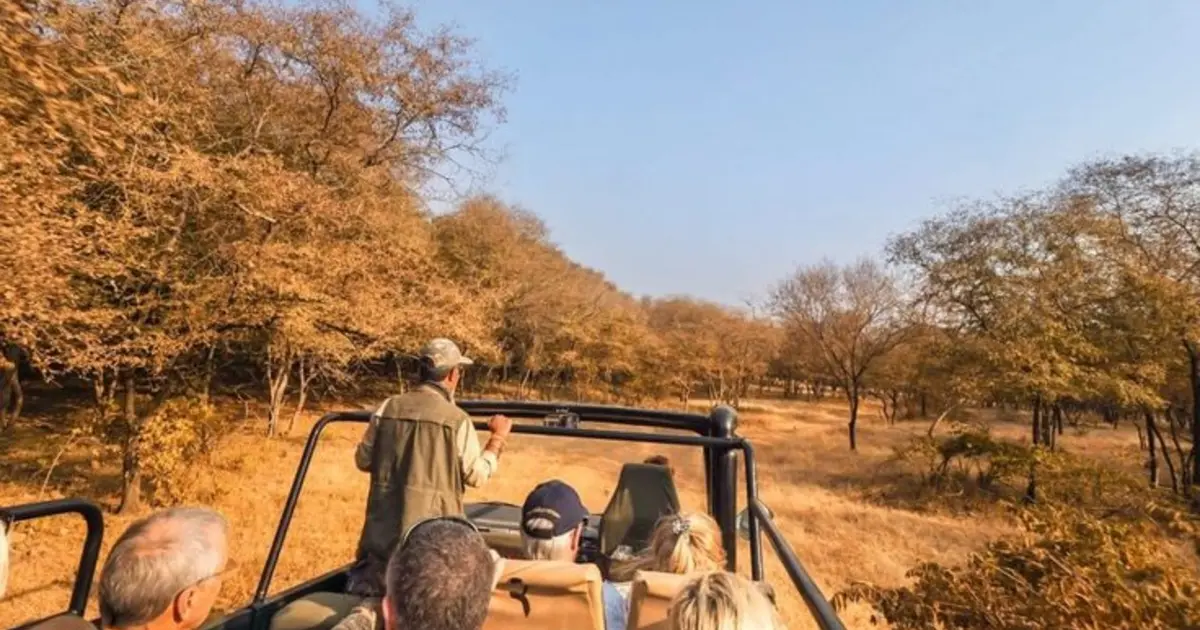
South India, especially Kerala, is a popular winter escape with warm, sunny weather. This month also features the vibrant multi-day harvest festival of Pongal in Tamil Nadu. January is an excellent time for a crisp and refreshing early morning safari experience..
Visiting India in Ferbruary
As fog and mist clear in northern India, February is one of the best months to travel, with pleasant and mostly sunny conditions across the country.
In North India, destinations like Delhi and Rajasthan enjoy clear skies and comfortable daytime temperatures, though mornings and evenings can still be slightly cool.
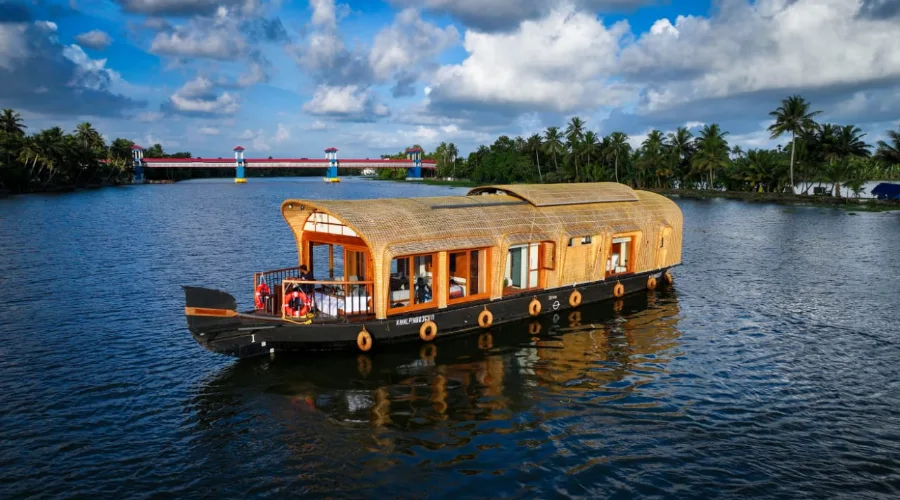
In South India, including Kerala and Tamil Nadu, the weather is warm and sunny, making it ideal for beaches, backwaters, and outdoor sightseeing.
Visiting India in March
March is an ideal time to explore India’s famous Golden Triangle circuit — Delhi, Agra, and Jaipur — before the intense summer heat begins to sweep across the country. It is also the season of Holi, India’s vibrant festival of colours, celebrated with lively gatherings, giant bonfires, festive sweets, music, and bursts of colour filling the streets the day after the full moon.

Visiting India in April
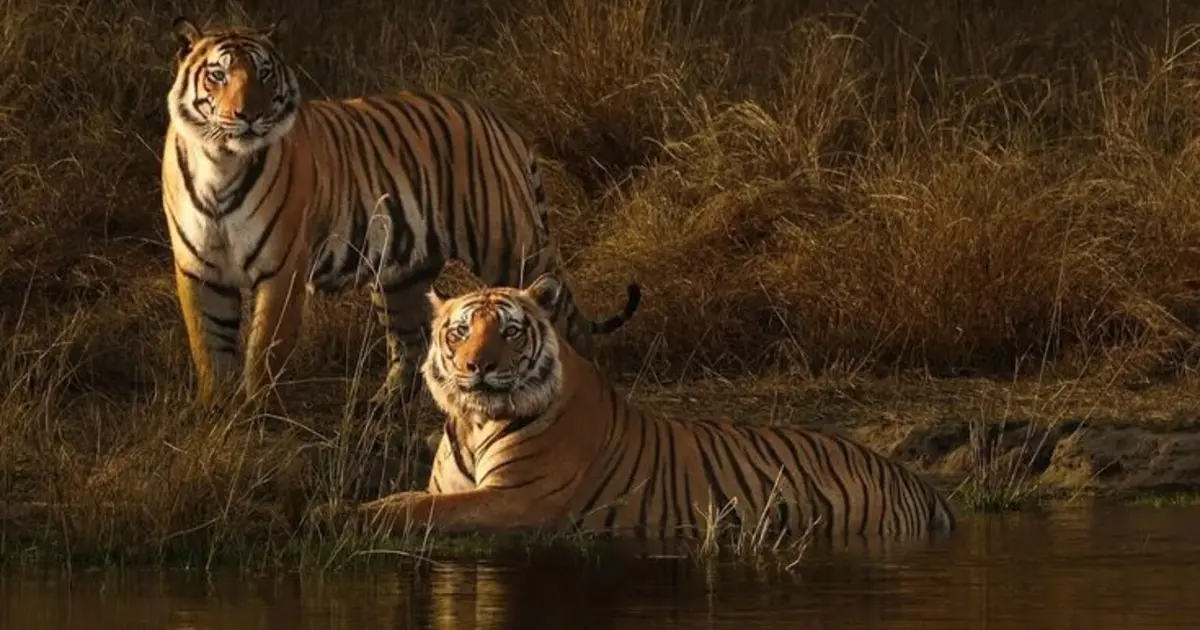
April brings warm and sunny weather across much of India, making it an exciting month for wildlife and outdoor adventures. Rising temperatures encourage animals to gather around rivers and watering holes, creating excellent safari opportunities and increasing the likelihood of spotting the magnificent Royal Bengal tiger in the wild.
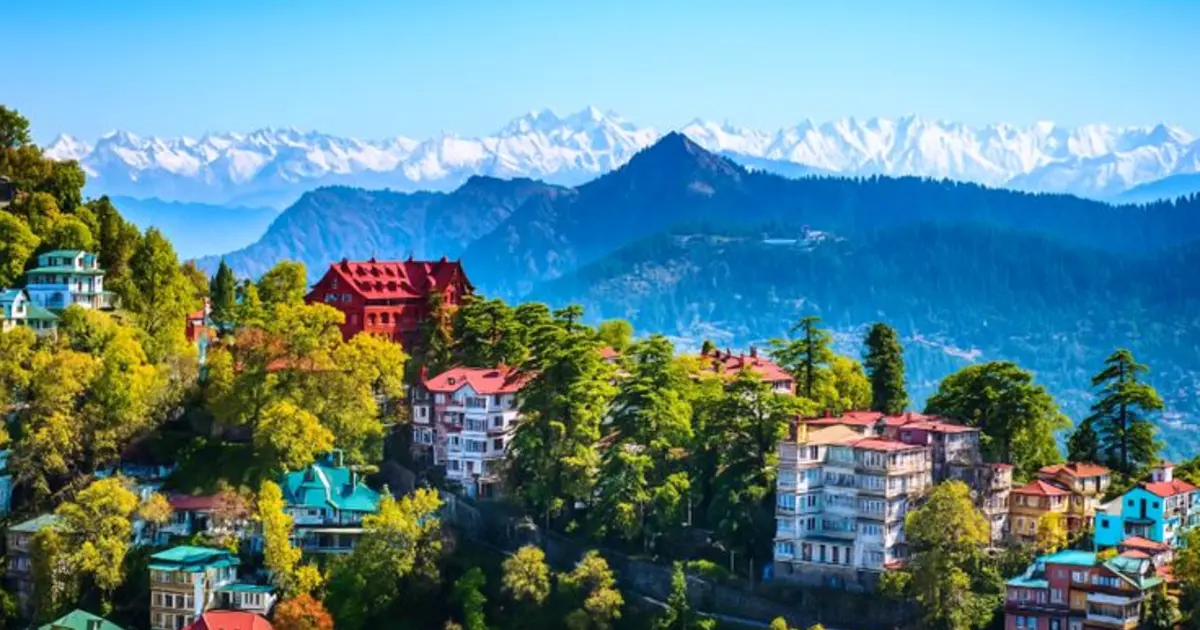
In the northern hill regions, the climate remains pleasant and refreshing as spring takes hold. Himachal Pradesh, Uttarakhand, and the Himalayan landscapes are filled with blooming flowers, clear mountain views, and comfortable trekking conditions, making this a wonderful time for hiking and exploring the outdoors.
Visiting India in May
Summer peaks across most parts of India, especially in the northern and central regions, with temperatures often exceeding 38°C. The weather is hot and dry, just before the monsoon arrives, making the plains increasingly humid and intense.
Many travellers head to cooler destinations like Himachal Pradesh, Uttarakhand, and other Himalayan regions, where the climate is more pleasant and green.
Wildlife sightings remain good, especially during early morning and late afternoon safaris when animals are most active.
Visiting India in June
June marks the beginning of the monsoon season across much of India, bringing hot, humid conditions and increasing rainfall in many regions. While most of the country experiences showers, Ladakh becomes fully accessible and offers clear, sunny days with cooler mountain air. Hill stations in the Himalayas also provide a refreshing escape from the heat and humidity.
Visiting India in July
In July, India is in the peak of the monsoon season, with widespread rainfall across most regions. The weather is generally humid, wet, and cloudy, with frequent heavy showers and thunderstorms. Temperatures are cooler than summer, but humidity remains high, especially in the plains.
Kerala marks the beginning of the traditional Karkidaka Chikitsa season. The cool, humid monsoon climate is considered ideal for Ayurvedic therapies, as the body responds better to treatments during this time. Many people undergo rejuvenation therapies such as herbal oil massages, detox programs, and special diets to improve health and immunity, making it a key wellness period in Kerala.

Visiting India in August
In August and September, India remains in the peak of the monsoon season, with widespread rainfall, high humidity, and rising water levels across many regions. The weather is often wet and unpredictable, but it also transforms the landscape into lush green surroundings, making the countryside especially scenic and fresh.
In Kerala, this period is marked by the vibrant festival of Onam, featuring snake boat races, intricate floral carpets called pookkalam, and traditional feasts served on banana leaves. In North India, frequent monsoon showers affect the plains, while hill regions like Himachal Pradesh and Uttarakhand experience cool, misty weather, though occasional rain-related disruptions can impact travel plans.

Visiting India in September
As the monsoon begins to withdraw in September, conditions gradually improve, making it a good time to explore the Golden Triangle region. Rainfall reduces significantly, especially towards the end of the month, allowing for more comfortable sightseeing in cities like Delhi, Agra, and Jaipur, while the sites are also less crowded compared to the peak tourist season.
Key attractions such as the Taj Mahal, Red Fort, and Hawa Mahal can be visited with fewer weather disruptions, and Rajasthan also starts to regain its vibrant travel atmosphere as the climate becomes drier and more pleasant.
Visiting India in October
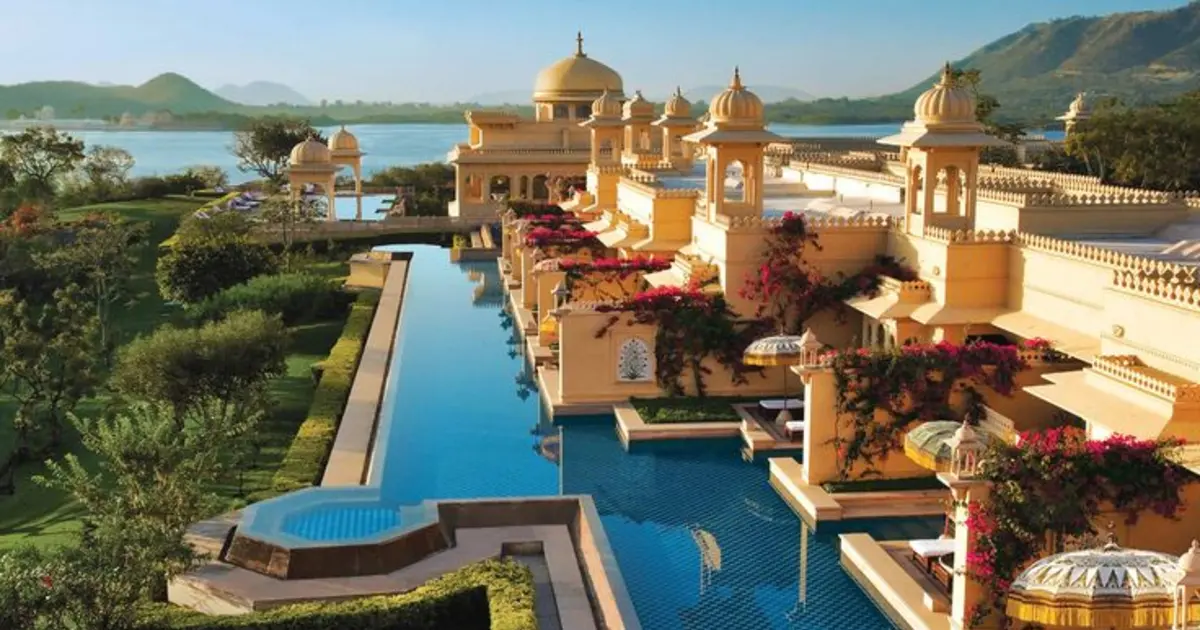
October is widely considered the start of India’s peak tourist season, as sightseeing becomes easier and more enjoyable in cities like Delhi, Agra, and Jaipur. Hill stations also experience crisp, refreshing weather, while many regions begin preparing for major festivals, adding to the vibrant atmosphere across the country.
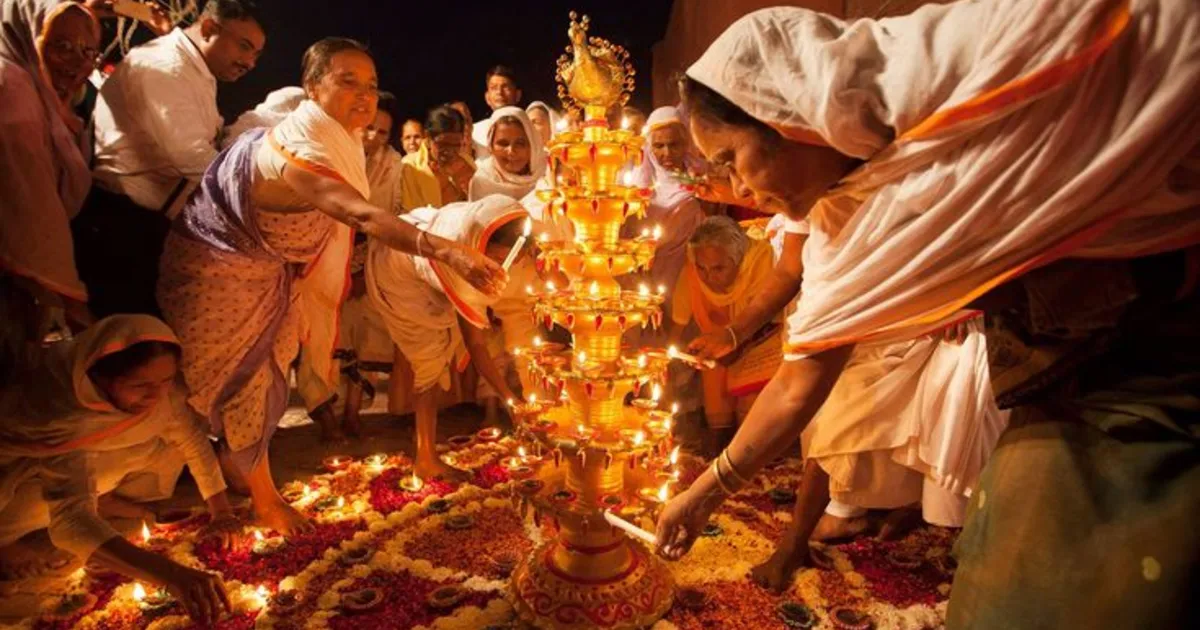
One of the major highlights of this period is Diwali (October or November), India’s biggest festival. This ancient Festival of Lights is celebrated with glowing lamps, candles, decorations, and spectacular fireworks, creating a vibrant and magical atmosphere across the country.
Visiting India in November
South India is at its most pleasant, with comfortable temperatures, fresh post-monsoon greenery, and ideal conditions for travel. It is a great time to explore coastal regions, backwaters, and hill stations, as the weather remains calm and refreshing.
In Rajasthan, one of the key highlights is the Pushkar Camel Fair, held every November in Pushkar, where thousands of camels, livestock, traders, and visitors gather, creating a vibrant and unforgettable cultural spectacle. This period also coincides with Diwali (October or November), India’s largest festival, when cities and towns across the country glow with oil lamps, candles, decorations, and fireworks, offering a truly magical atmosphere for travellers.
Visiting India in December
December is one of the best times to visit South India, with warm, sunny, and very pleasant weather throughout the region. Clear skies and comfortable temperatures make it ideal for sightseeing and outdoor activities. It is a great month to explore coastal areas, relax on beaches, enjoy peaceful backwaters, and visit scenic hill stations.
In parts of Tamil Nadu, the Margazhi season begins in December, a traditional cultural period marked by classical music and dance performances, especially in Chennai. Temples also host special early-morning rituals during this time, adding a spiritual charm to the season.
In contrast, North India experiences cold winter conditions, with chilly days and cold nights in many regions. Travel is still possible, but sightseeing is best during the warmer daytime hours, especially in places like Rajasthan and Delhi, where the crisp winter weather allows for pleasant exploration.